Some links in this guide are affiliate links, if you buy through them we may earn a small commission at no extra cost to you. Here’s our disclosure.
Quick Answer
Zentangle coloring pages are printable line-art designs made of small, repeating patterns packed edge to edge. You color one little section at a time, which makes the style deeply absorbing and calming for adults and older kids. Print the free page, use fine-tip pens, and fill in the pattern piece by piece.
Everyone keeps telling you coloring is the easy way to unwind, so you sit down to try it and somehow it falls flat. The kid pages are too plain to hold your attention, the "adult" ones you found online printed muddy and gray, and a couple of them wanted your email or a few dollars before you could even see the design. Maybe there is a half-finished coloring book in a drawer already, abandoned because the picture felt more like homework than a break. You do not want a craft project or a new hobby to manage. You want ten quiet minutes at the kitchen table with a pen, a good page, and nothing beeping at you. The catch is that not every coloring page delivers that. The design itself decides whether you drift into calm or give up bored halfway through, and most free pages were never built for grown-up focus.
What are zentangle coloring pages?
Zentangle coloring pages are printable line-art designs built from small, repeating patterns, dots, curves, spirals, hatch marks, and leaf shapes, packed edge to edge so the whole page becomes an intricate field to color. Unlike a picture of one large object, a zentangle page breaks a shape (an owl, a heart, a border) into dozens of little sections, each filled with its own repeating motif. That density is the point. It gives your eye somewhere to go and your hand plenty to do, which is exactly what makes the style so absorbing for adults and older kids. The word comes from combining "zen" and "tangle," and the original method was drawn freehand, but coloring pre-drawn zentangle pages gives you the same meditative payoff without needing to draw anything yourself. You just print, pick a corner, and start filling in the pattern one small piece at a time. That low barrier is why the style has spread from art therapists to busy parents: there is no learning curve, no supplies to hunt down, and no blank-page pressure. A good zentangle coloring page hands you all the structure and asks only that you show up with a pen and a few free minutes.
How are zentangle pages different from mandalas and regular coloring pages?
Zentangle pages differ from mandalas and standard coloring pages mainly in structure and symmetry. A mandala is radially symmetrical, everything radiates from a single center point in perfect rings, so it feels balanced and formal. A zentangle is looser: patterns flow across the page in an organic, non-repeating way, often filling an outline like an animal or a word rather than a circle. A regular coloring page, by contrast, usually shows one clear subject with large open areas, a flower, a truck, a cartoon, meant to be filled quickly with a few colors. Zentangle sits at the detailed end of that spectrum, closer to the intricate designs many adults reach for. If you like the symmetry of rings, our mandala coloring pages for adults may suit you better; if you love dense, all-over detail, zentangle is the natural pick. Many people keep both on hand and choose by mood.
How do you color a zentangle page?
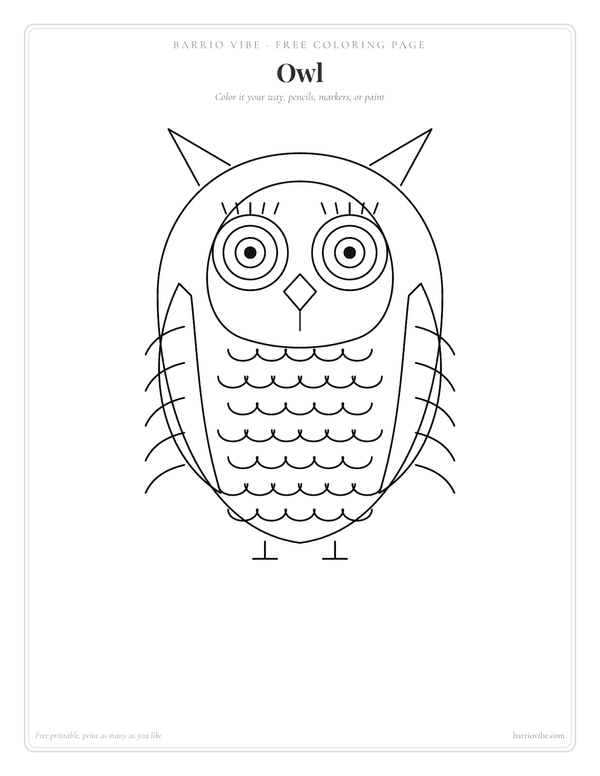
Color a zentangle page by working one small section at a time instead of scanning the whole design at once. Pick any corner, choose a color, and fill just that pocket of pattern; then move to the next. Because the page is already divided into little compartments, you never have to plan a whole composition, the structure decides the pieces for you, and that is what quiets the mental chatter. A few simple approaches keep it satisfying: use a limited palette of three to five colors so the page stays cohesive, repeat one accent color across the page to tie distant sections together, and leave some sections white for breathing room. There is no wrong order and no wrong palette. If you get stuck, a reliable trick is to color by pattern rather than by area: pick every section that shares the same motif and give them a single color, then repeat with the next motif. This creates a quiet visual rhythm across the page and takes the guesswork out of where each color should land. Save your boldest or darkest shade for last, once the page is mostly filled you will see exactly where a pop of contrast earns its place. If you want a preview of the meditative, all-over style before you commit, this printable zentangle-style owl page is a perfect starter, detailed enough to hold your focus, forgiving enough that any color scheme looks good.
Owl
A zentangle-style owl coloring page with feather rows, patterned wings, and big eyes, a detailed animal page to color.
What supplies do you need to color zentangle pages?
You need surprisingly little: a printed page, a hard surface, and something that makes crisp lines in small spaces. Because zentangle sections are tiny, chunky crayons and broad markers tend to bleed past the pattern and muddy the detail, so fine-tipped tools are what make the style sing. A set of fine-tip pens or fineliner markers (0.3 to 0.5 mm) lets you fill the little compartments cleanly and is the single upgrade that most changes how the finished page looks. Beyond that, match the tool to the mood you want.
| Tool | Best for | Note |
|---|---|---|
| Fine-tip pens / fineliners | Crisp detail, tiny sections | The style's natural match |
| Colored pencils | Soft shading, blending | Great for a calm, layered look |
| Gel pens | Bright pops, metallics on dark areas | Fun for accents |
| Watercolor pencils | Painterly washes | Use heavier paper |
Print on slightly heavier paper (28 lb works well) if you plan to use anything wet, and keep a scrap sheet under your hand to avoid smudging. One more small thing makes a big difference: test each new pen on a spare corner first, so a color that reads darker on paper than in the barrel does not surprise you halfway through the design. You do not need a giant art kit to start. A single set of fineliners and a printed page will carry you through dozens of evenings.
Why is coloring zentangle patterns so calming?
Coloring dense, repetitive patterns is calming because the small, predictable task gently occupies your attention and eases it away from worry, a lot like the focus you feel in knitting or gardening. Researchers who study coloring point to this narrow, absorbing focus as the reason it lowers anxiety for many people: there is just enough to think about that your mind stops circling whatever it was stuck on, but not so much that it feels like work. Zentangle amplifies the effect because the design is broken into so many tiny sections that you settle into an easy rhythm, fill one, move to the next, with no big decisions to make. That steady cadence is what people mean when they call coloring meditative. You do not have to finish a page in one sitting, either; leaving it out to return to over a few evenings turns it into a low-stakes ritual rather than another task on the list. It also makes a screen-free wind-down that is easy to share: a detailed page keeps an adult engaged at the same table where a child is coloring something simpler, so it doubles as quiet time you can do together. Pair it with a cup of tea and a podcast, or use it as the last thing you do before bed to signal to your brain that the day is closing down. The value is not the finished picture. It is the ten unhurried minutes the picture buys you.
Where can you find free printable zentangle coloring pages?
You can find free printable zentangle coloring pages right here, no email and no payment required, alongside a growing library of detailed designs for adults and older kids. The best free pages share a few traits worth looking for: clean, high-contrast line art that prints sharp on a home printer, standard letter size so nothing gets cut off, and enough detail to stay interesting without turning into a strain. To get the most out of them, print a few at once and keep them with your pens somewhere easy to reach, the entryway drawer, a basket by the couch, so a ten-minute break is always within arm's reach. If you find you love the intricate, all-over style, browse our intricate mandala coloring pages next for more of the same absorbing detail. Grab the printable below, print as many copies as you like, and keep one at the table for the next quiet moment.
Owl
A zentangle-style owl coloring page with feather rows, patterned wings, and big eyes, a detailed animal page to color.
Frequently Asked Questions
What is the difference between zentangle and mandala coloring pages?
A mandala is radially symmetrical, with every pattern radiating from a single center point in rings. A zentangle is looser and organic, with repeating patterns flowing across the page or filling an outline like an animal. Both are detailed, but zentangle is less formal and non-symmetrical.
Are zentangle coloring pages good for adults?
Yes. Zentangle pages are one of the most popular adult coloring styles because the dense, all-over detail holds your focus and the tiny sections create an easy, meditative rhythm. Many adults find them more relaxing and engaging than simpler coloring pages with large open areas.
What pens are best for zentangle coloring pages?
Fine-tip pens or fineliners in the 0.3 to 0.5 mm range work best, because zentangle sections are small and crisp lines keep the detail from muddying. Colored pencils are great for soft shading, and gel pens add bright accents. Avoid broad markers, which bleed past the pattern.
Do I need to pay or sign up to print these zentangle pages?
No. The zentangle coloring pages are free to download and print with no email sign-up and no payment. Print as many copies as you like for personal or classroom use, and keep a few on hand for quiet breaks whenever you need them.
Is coloring zentangle patterns really relaxing?
For many people, yes. The small, repetitive task gently occupies your attention and eases it away from worry, similar to knitting or gardening. Studies on coloring link this narrow, absorbing focus to lower anxiety, and zentangle amplifies it with its many tiny sections.